Redefining Enterprise Intelligence through Agentic Design
At the scale of 27,000 specialists, "efficiency" is often pursued at the cost of human intuition.
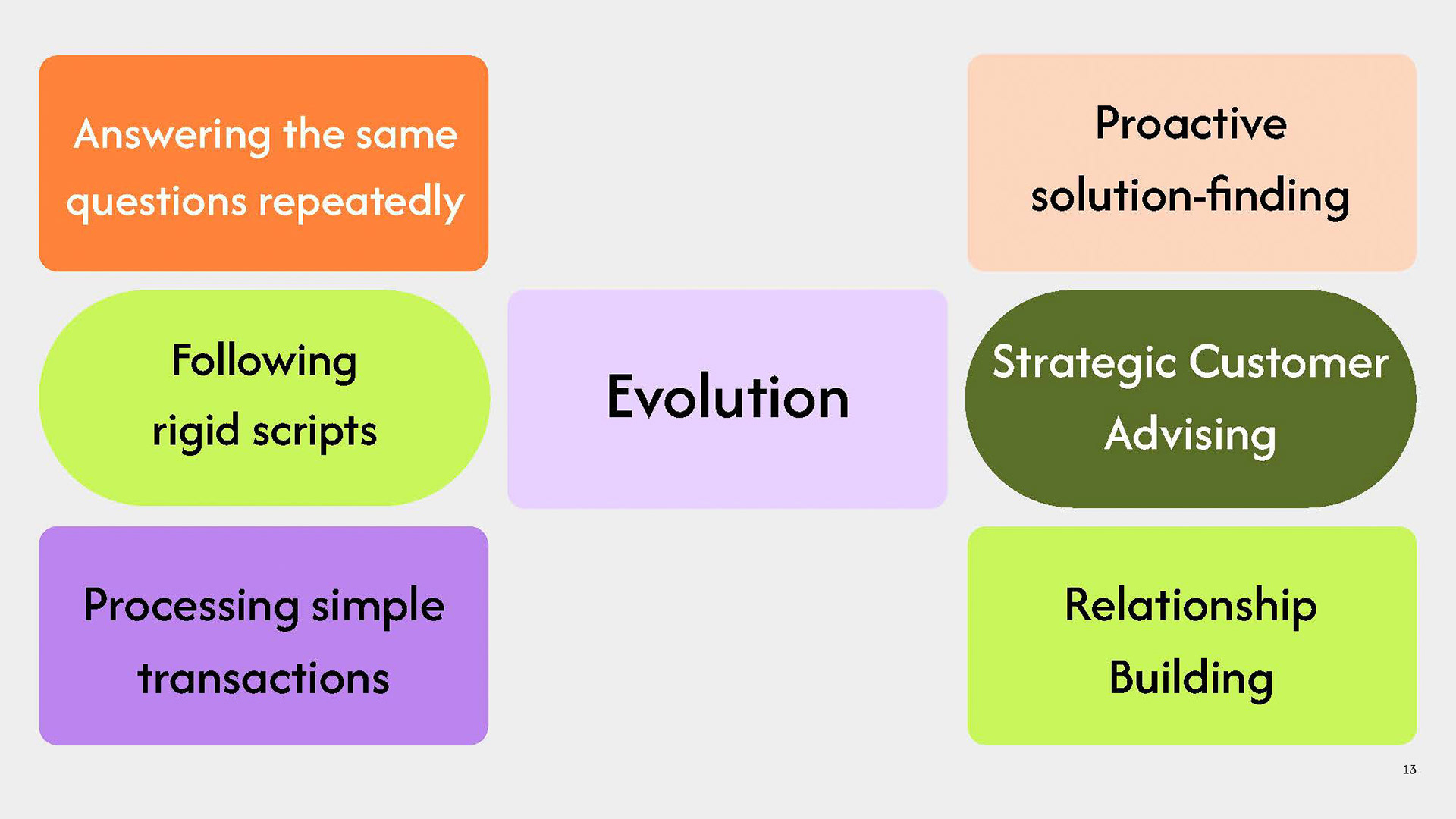
I spearheaded the Agentic OS Vision, moving beyond traditional automation to build an ecosystem of proactive agents. The goal was to transform the interface between specialist and data from a "search and retrieve" friction point into a seamless, intelligent partnership that anticipates needs before they are articulated.
I spearheaded the Agentic OS Vision, moving beyond traditional automation to build an ecosystem of proactive agents. The goal was to transform the interface between specialist and data from a "search and retrieve" friction point into a seamless, intelligent partnership that anticipates needs before they are articulated.
The Challenge
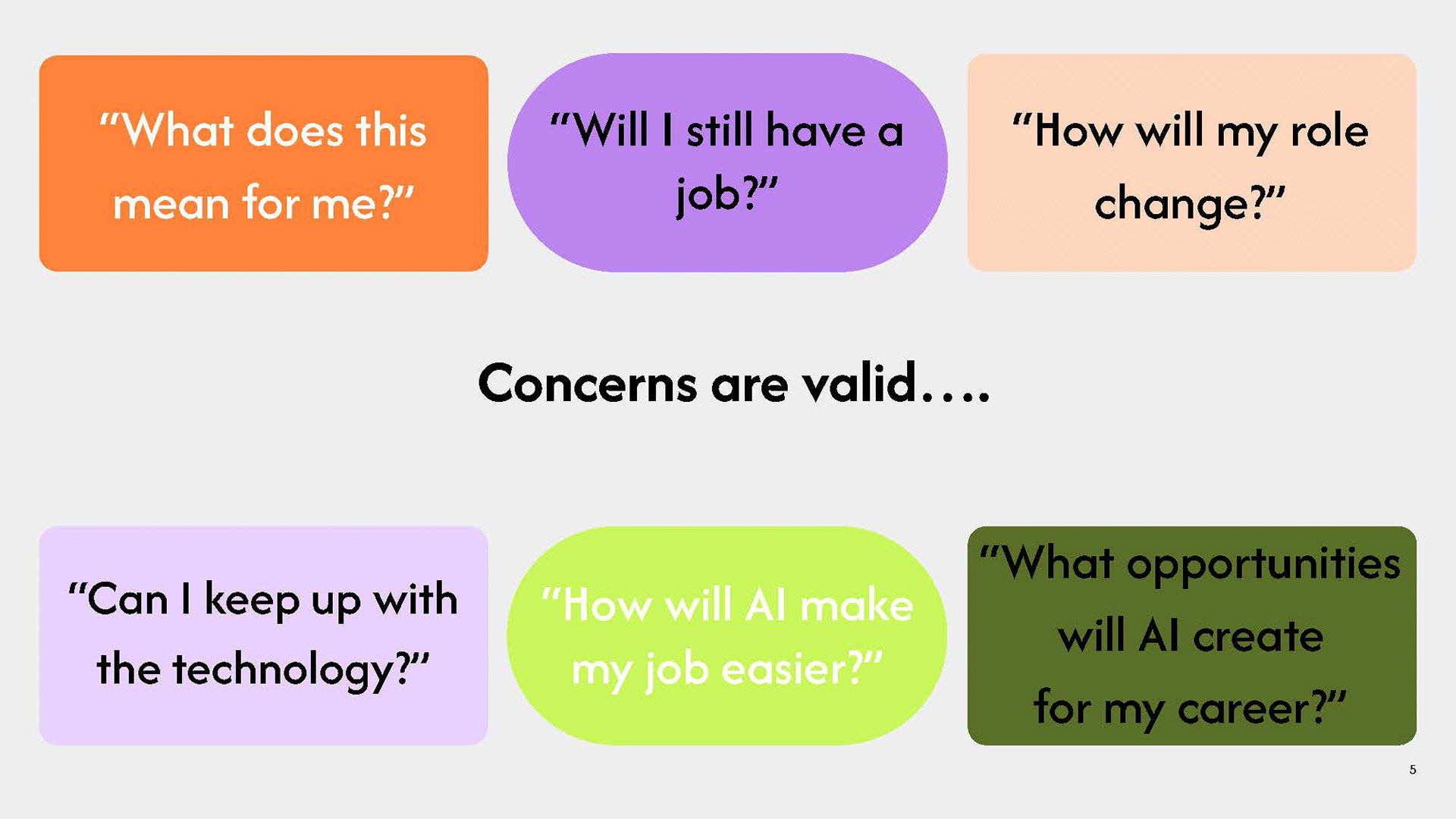
The primary friction in high-stakes financial environments is the "trust gap."
Traditional AI often acts as a black box, causing specialists to double-check outputs, which increases cognitive load rather than reducing it.
The primary friction in high-stakes financial environments is the "trust gap."
Traditional AI often acts as a black box, causing specialists to double-check outputs, which increases cognitive load rather than reducing it.
“In an environment where error is not an option, the friction isn't just the time spent—it's the mental weight of uncertainty.”

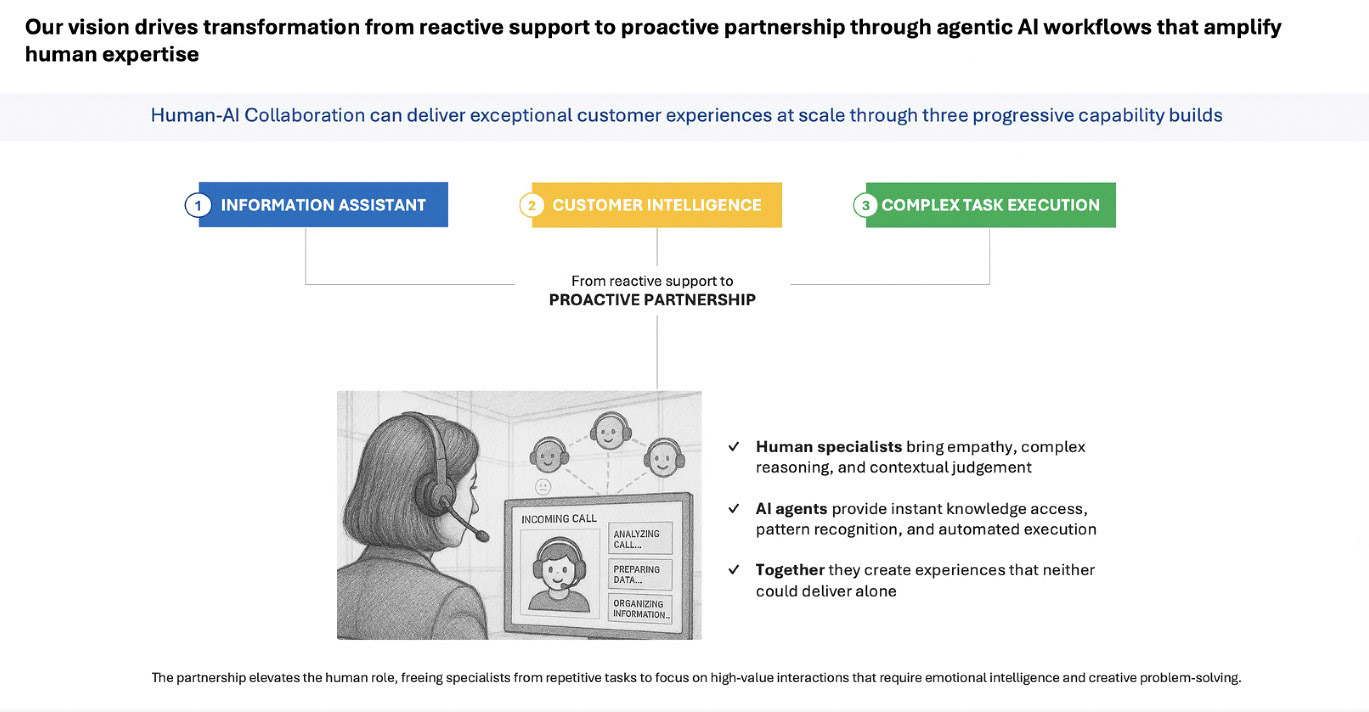
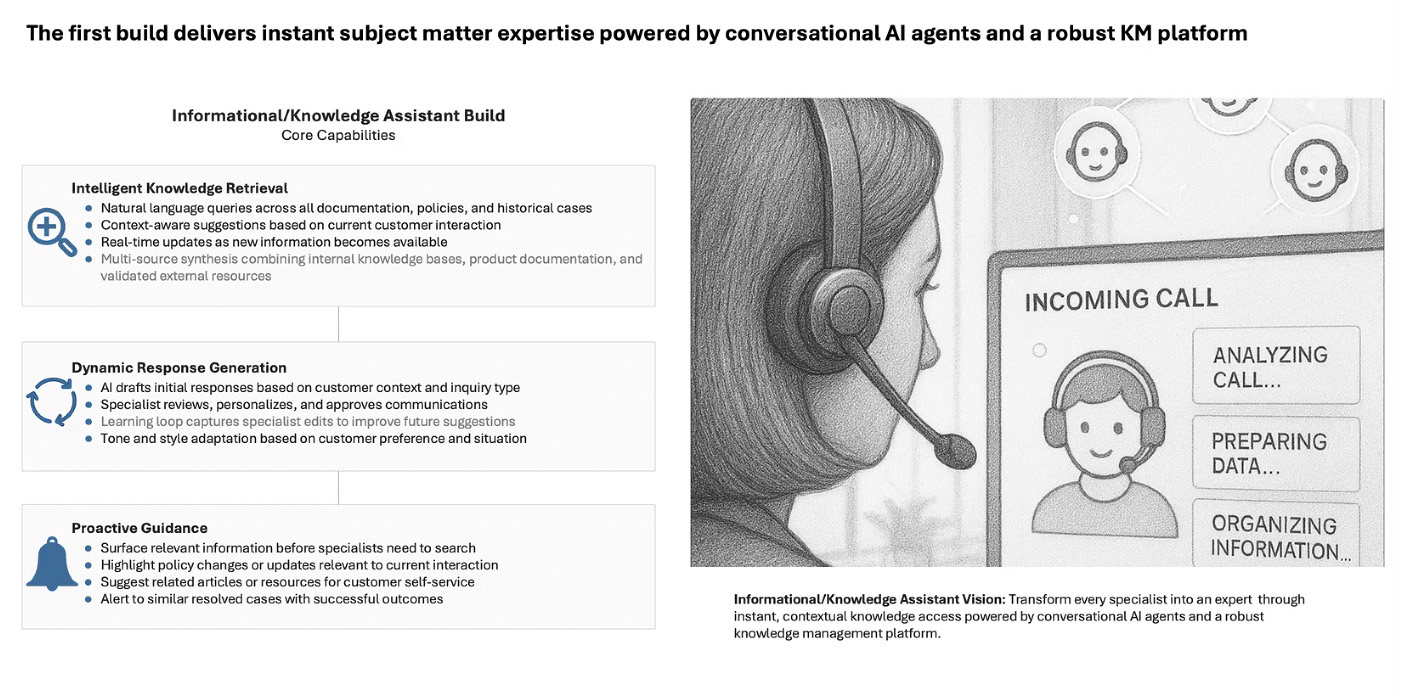
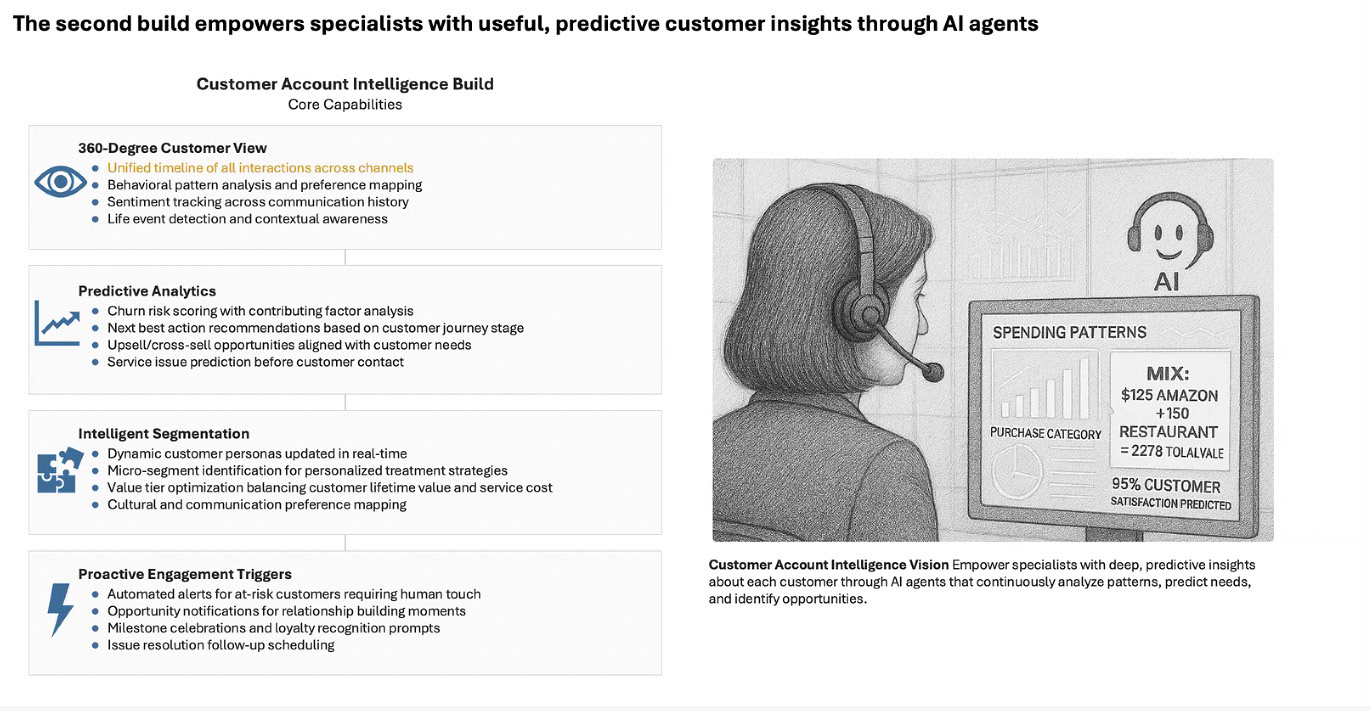
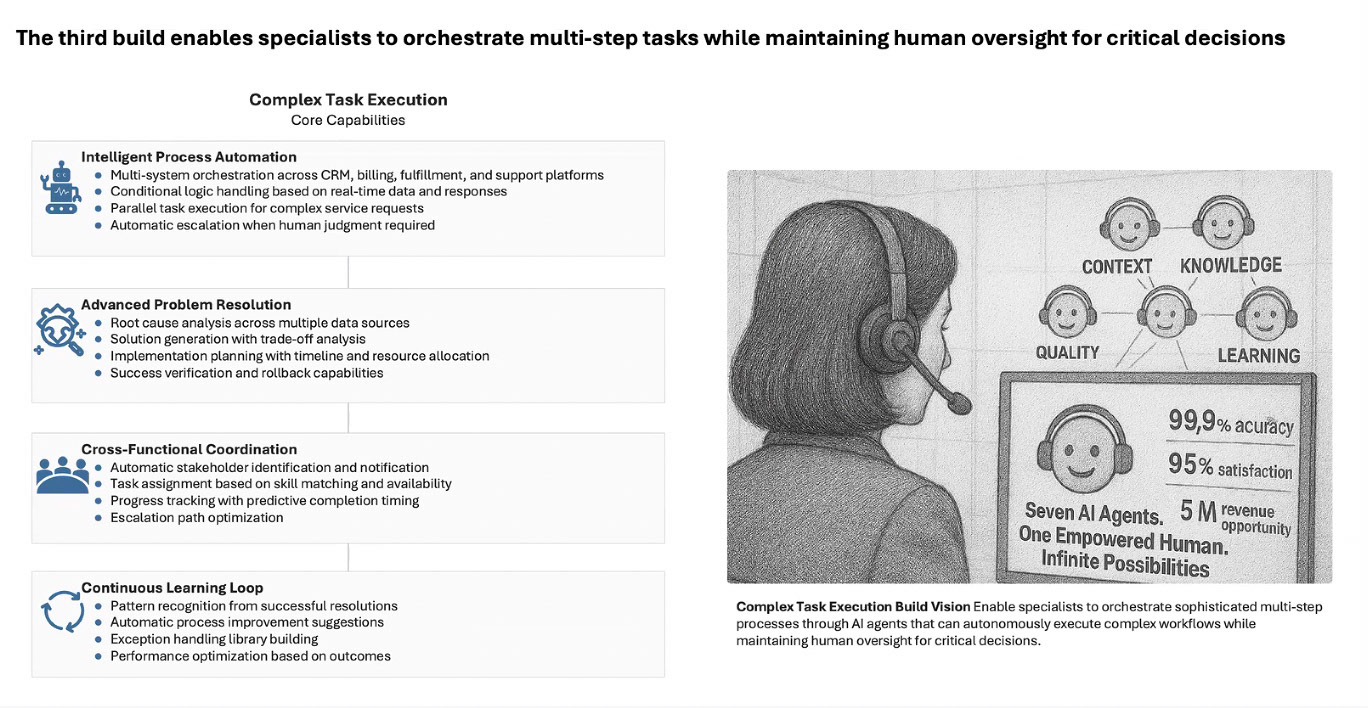
I directed a strategic shift toward Agentic Workflows, integrating three technical pillars that prioritized "correctness" and "clarity"
Certified Truth
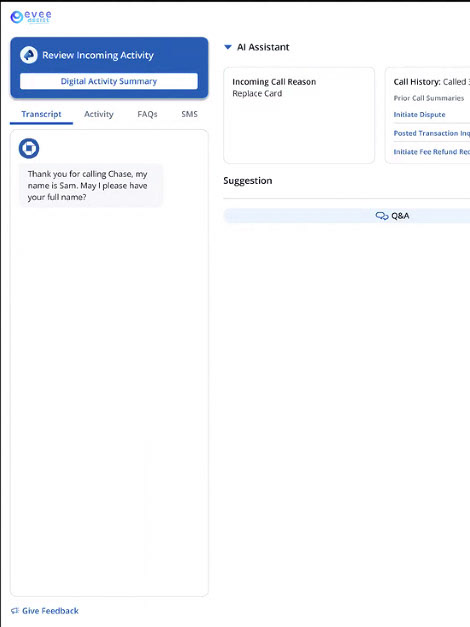
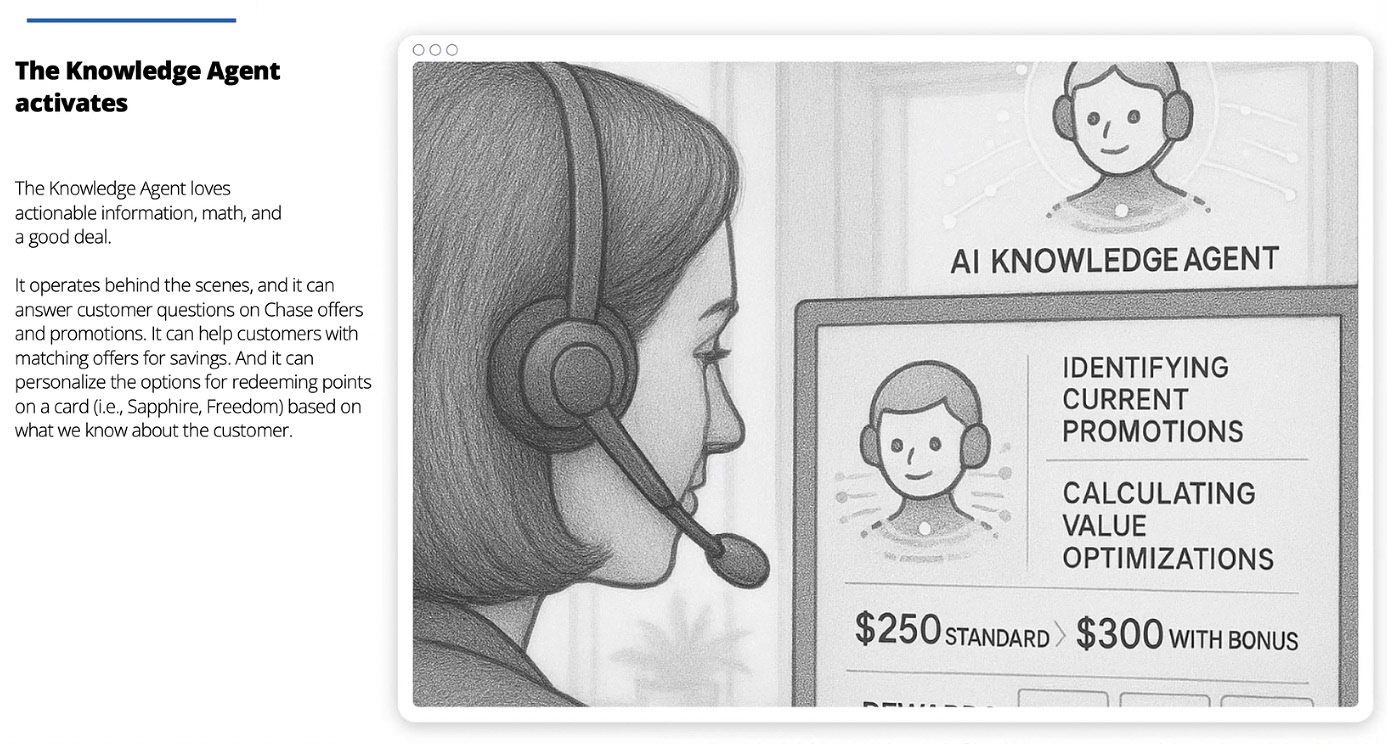
We achieved 98% accuracy in call categorization by grounding generative models in proprietary, certified data. This moved the technology from "experimental" to "reliable."
We achieved 98% accuracy in call categorization by grounding generative models in proprietary, certified data. This moved the technology from "experimental" to "reliable."
Actionable Research Frameworks
I established a design-led approach to R&D, ensuring that every AI capability was stress-tested against the specialist's real-world workflow, not just technical benchmarks.
I established a design-led approach to R&D, ensuring that every AI capability was stress-tested against the specialist's real-world workflow, not just technical benchmarks.
The Agentic Layer
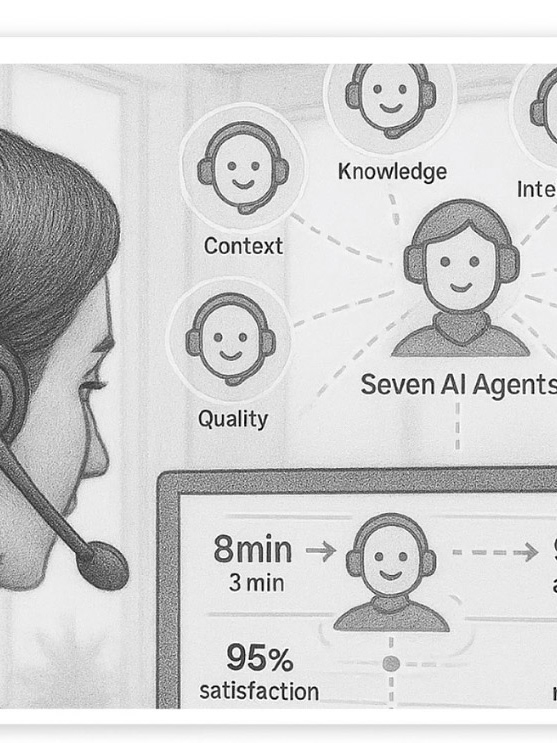
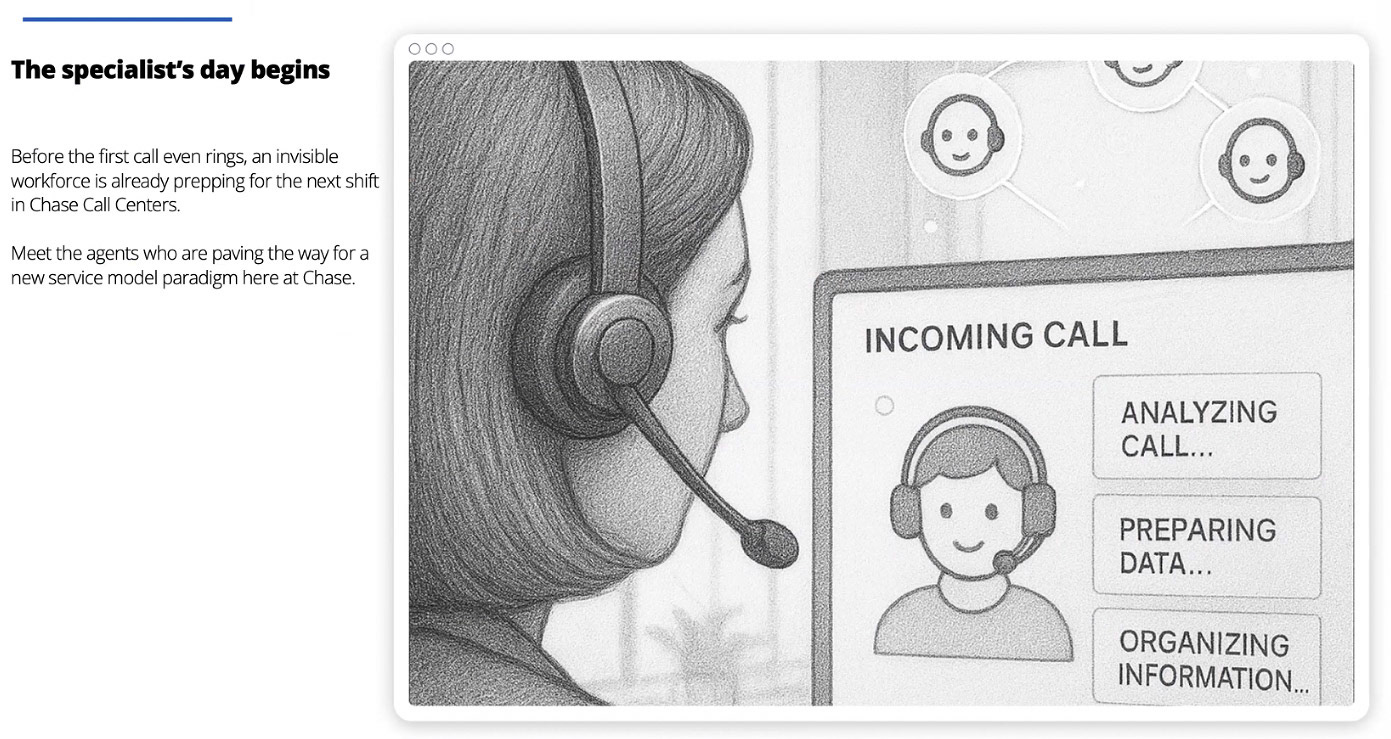
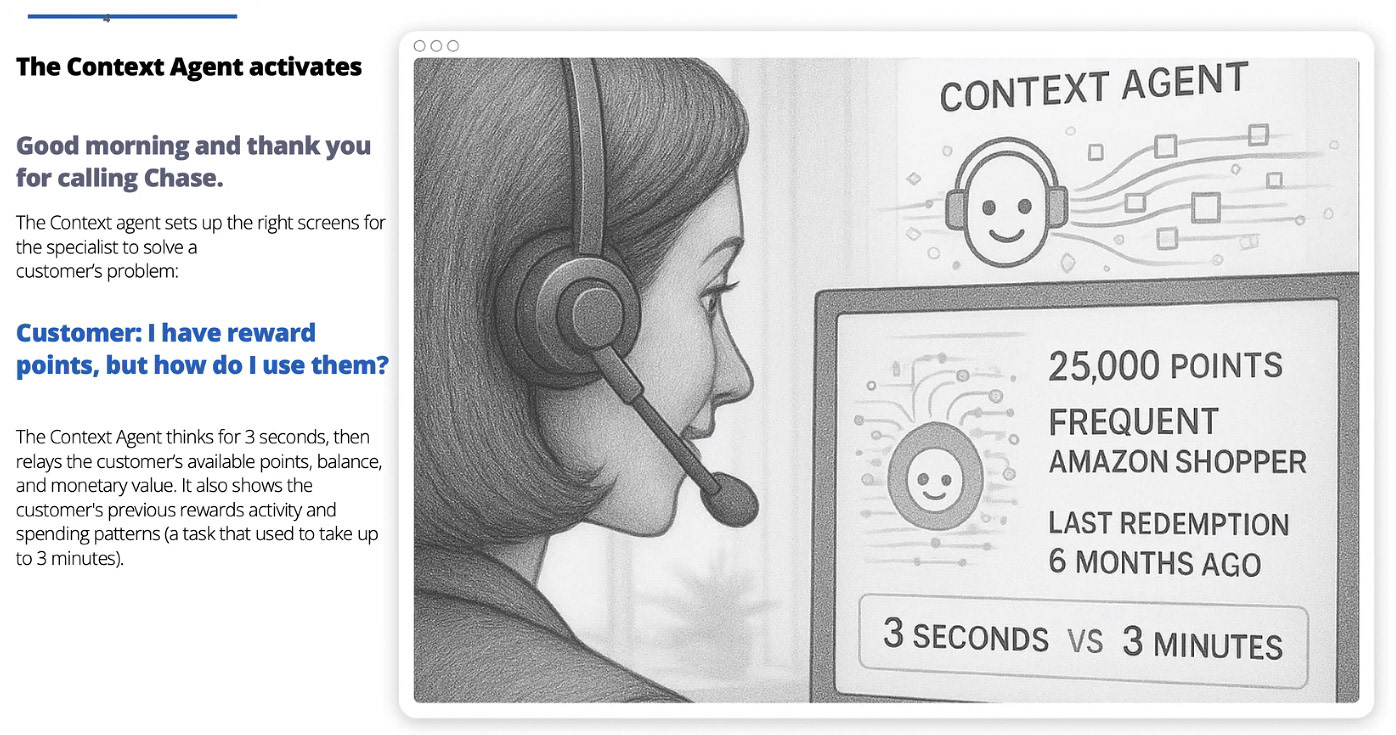
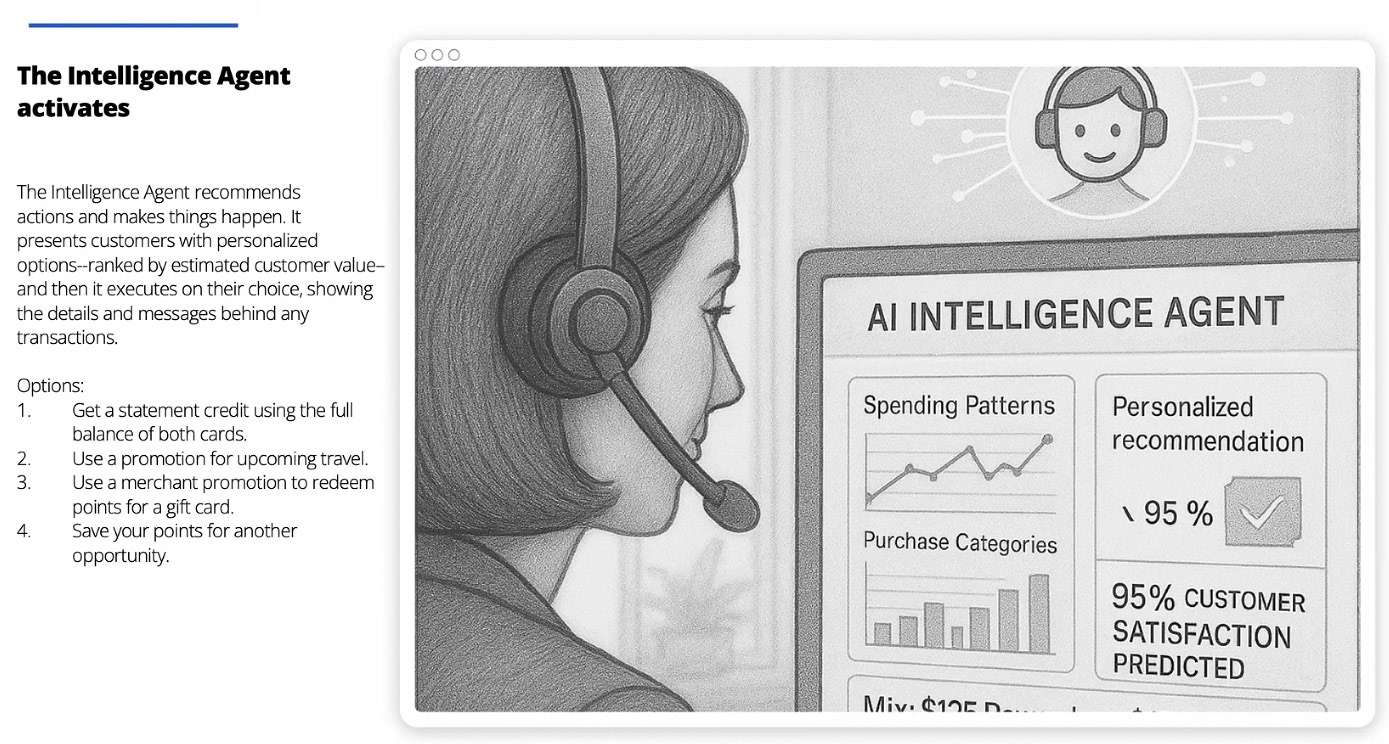
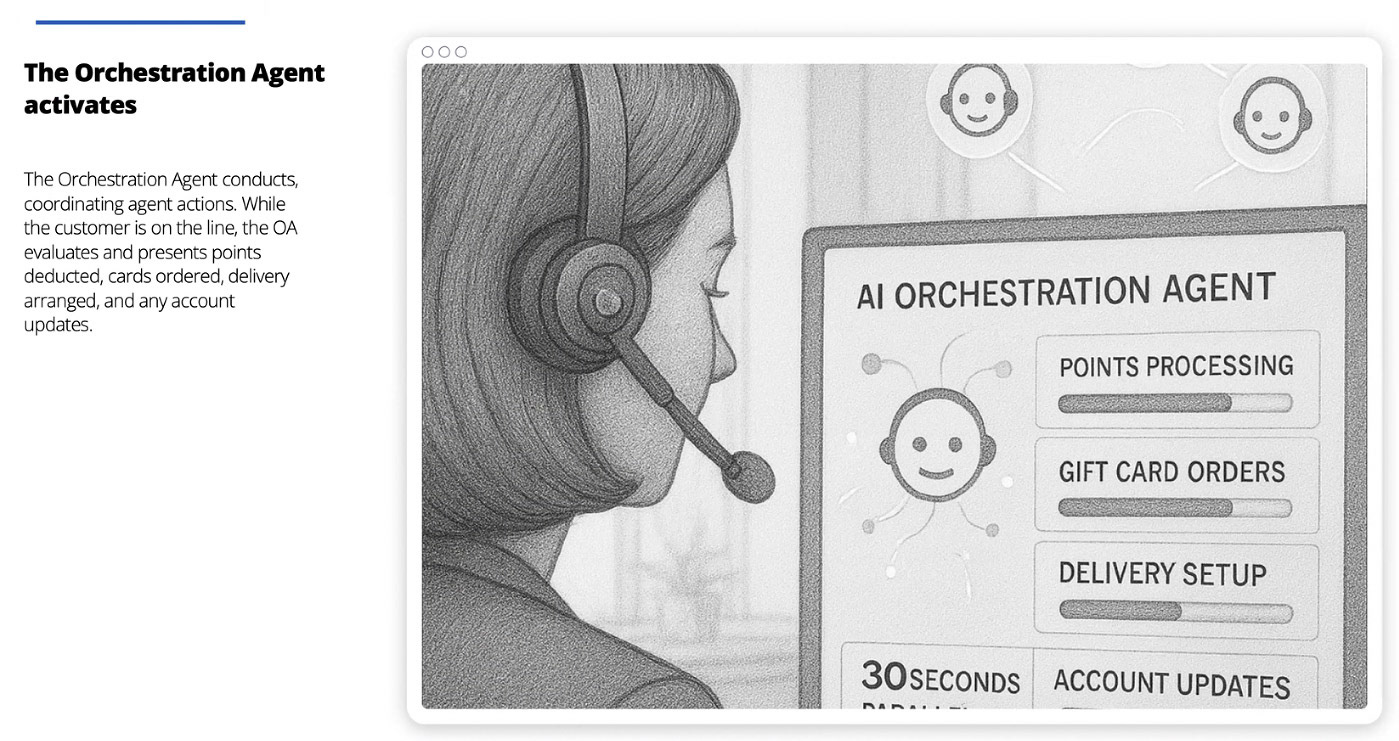
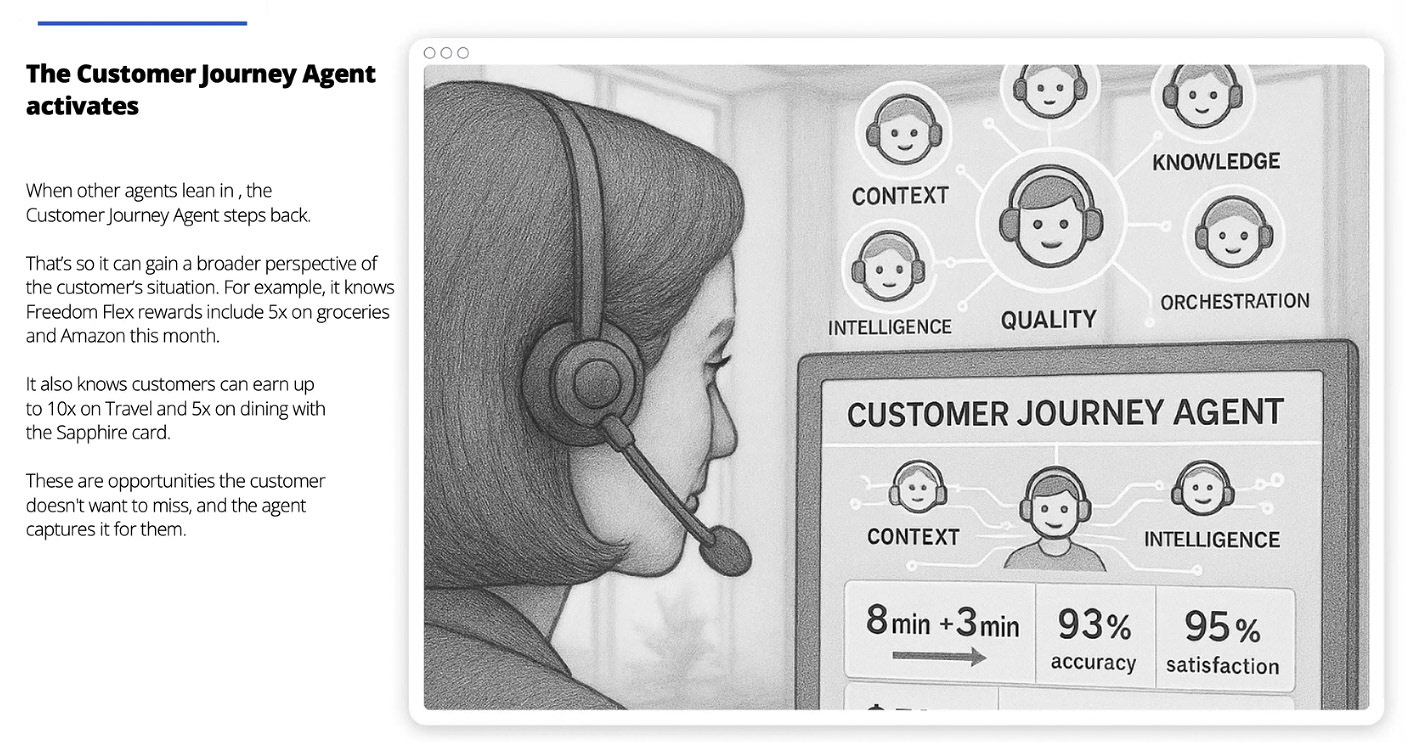
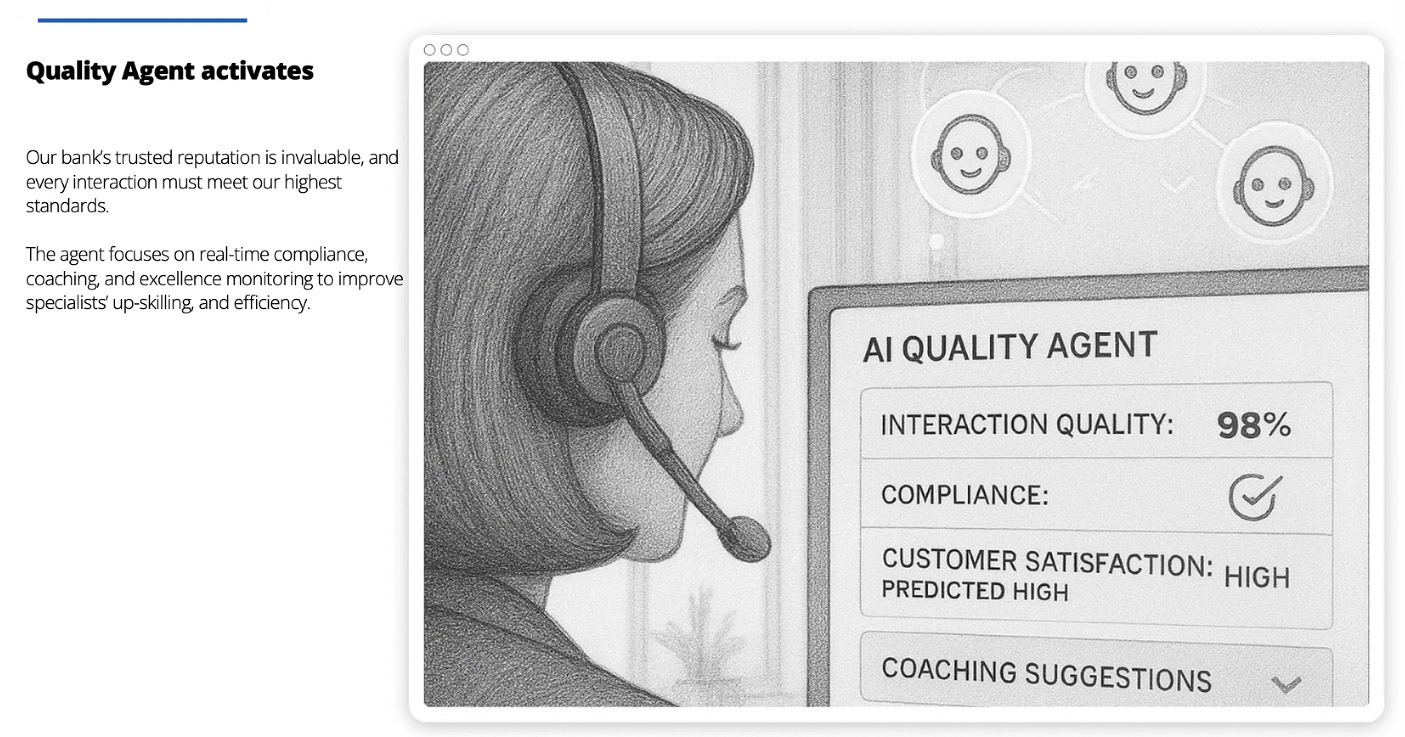
We transitioned from passive tools to active agents that categorize, summarize, and suggest—acting as a "peripheral brain" for the specialist.
We transitioned from passive tools to active agents that categorize, summarize, and suggest—acting as a "peripheral brain" for the specialist.
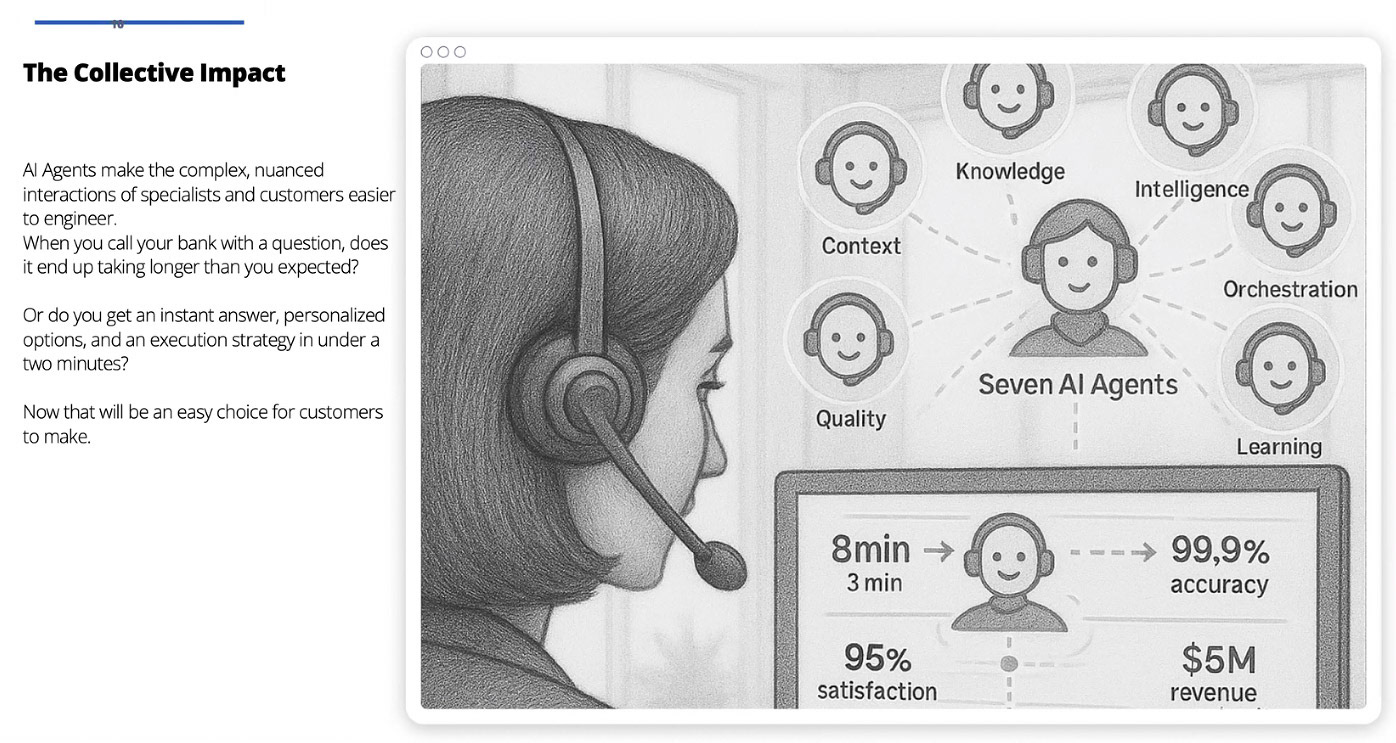
1. Removing Cognitive Friction
The impact of this vision was measured in Human Velocity.
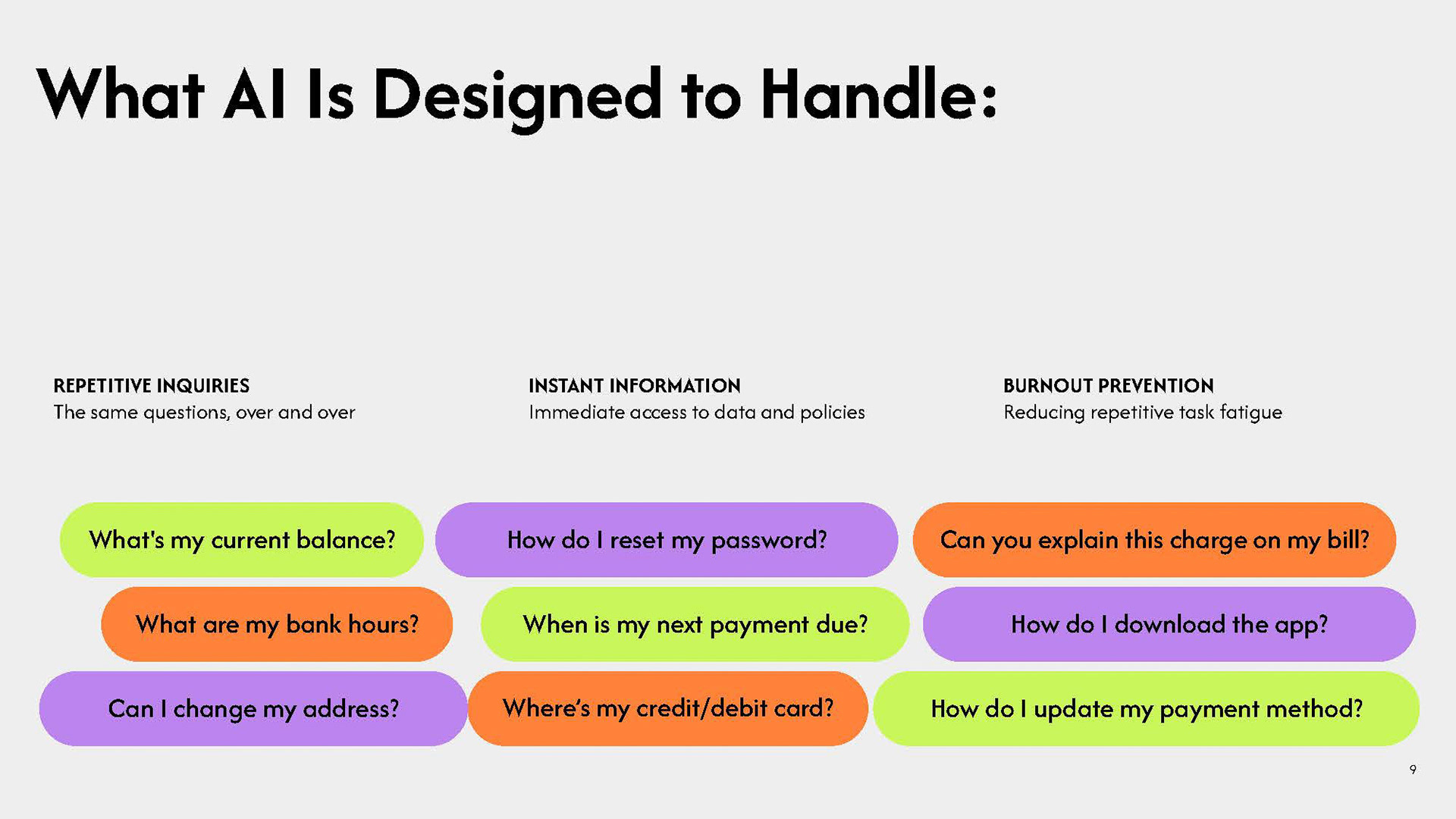
By automating the low-value cognitive tasks, we allowed the specialists to focus on the high-value human interaction.
The impact of this vision was measured in Human Velocity.
By automating the low-value cognitive tasks, we allowed the specialists to focus on the high-value human interaction.
“We successfully reduced the Average Handle Time (AHT) by 40 seconds per interaction.
In a 27,000-person organization, those 40 seconds represent a massive reclamation
of human focus and agency.”
In a 27,000-person organization, those 40 seconds represent a massive reclamation
of human focus and agency.”
2. Building Trust through Proprietary Precision
For AI to feel "Apple-simple," it must be consistently right. We moved away from the "hallucination risk" of general models by focusing on a strictly governed architecture.
For AI to feel "Apple-simple," it must be consistently right. We moved away from the "hallucination risk" of general models by focusing on a strictly governed architecture.
“By integrating proprietary certified answers with advanced categorization, we moved the needle from 'AI as a feature' to 'AI as a foundation.' Trust became the primary user interface.”
3. Strategic Scale & Leadership
Leading this shift required more than technical oversight; it required Change Management at an executive level—aligning disparate groups around a single, cohesive "AI-First" design language.
Leading this shift required more than technical oversight; it required Change Management at an executive level—aligning disparate groups around a single, cohesive "AI-First" design language.
“My role was to act as the translator between the complex ML architecture and the human-centered design mission, ensuring the technology served the specialist, not the other way around.”